The story
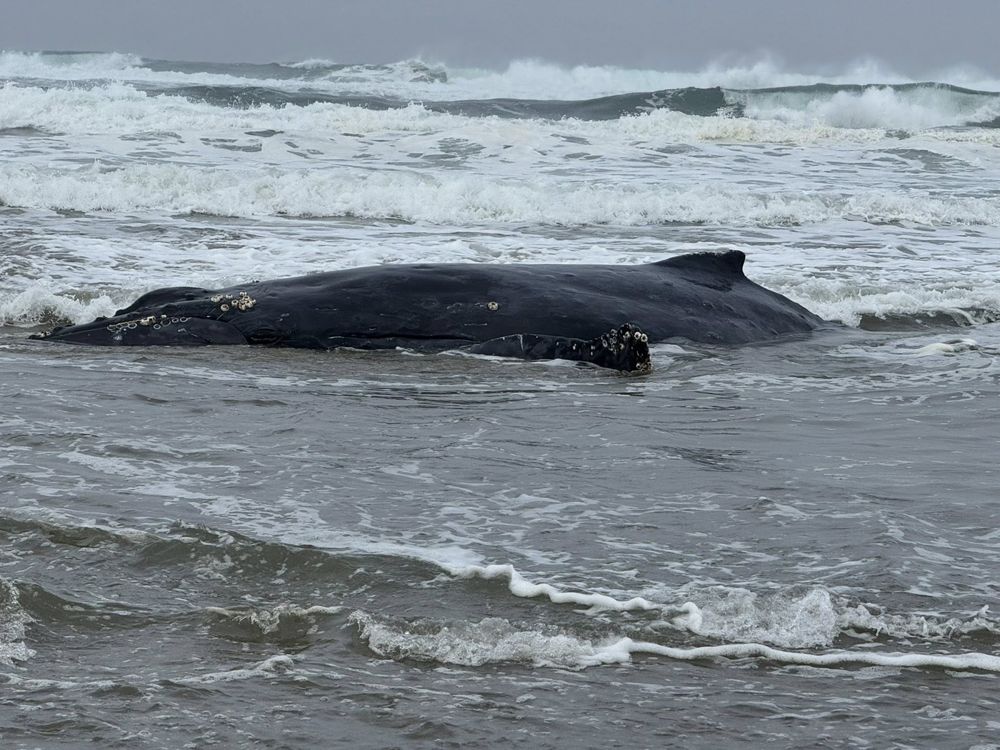
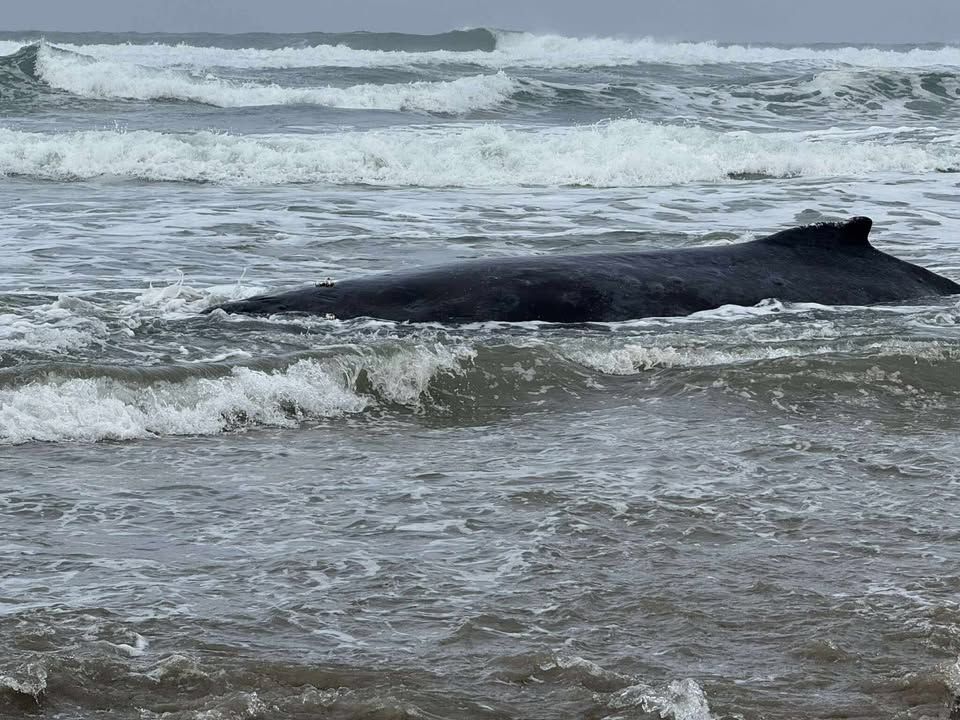
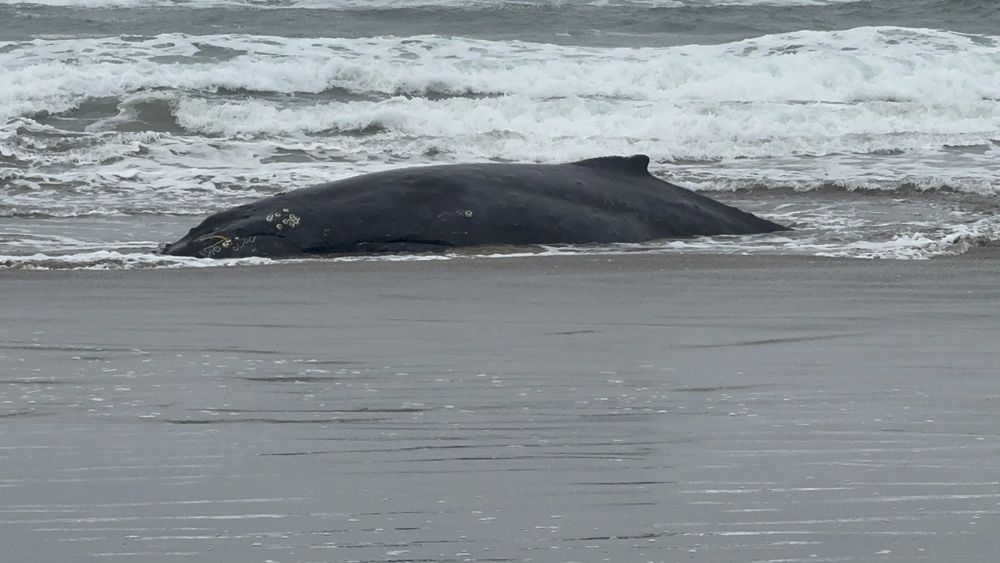
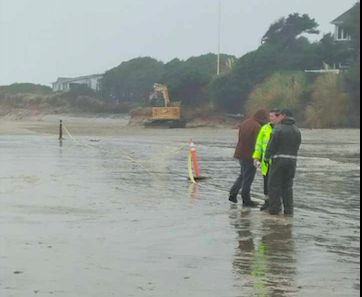
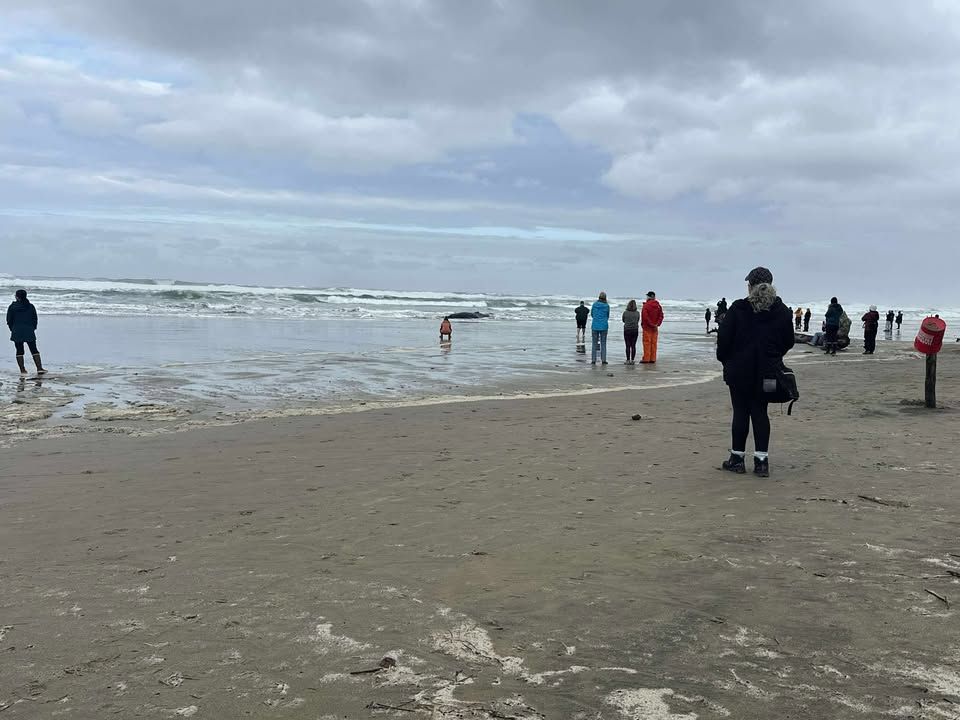
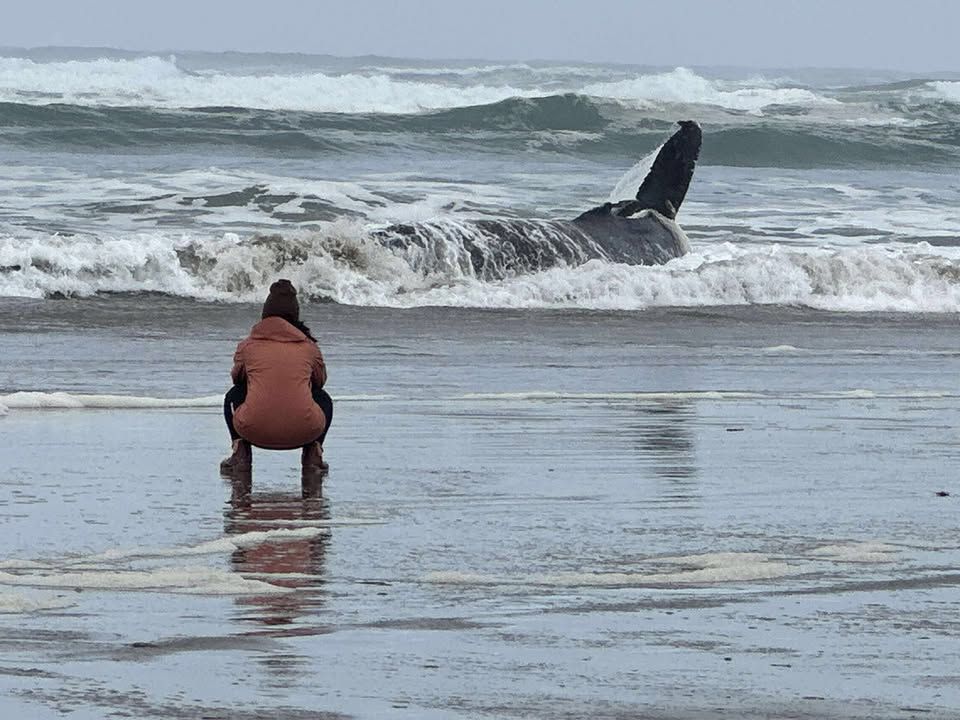
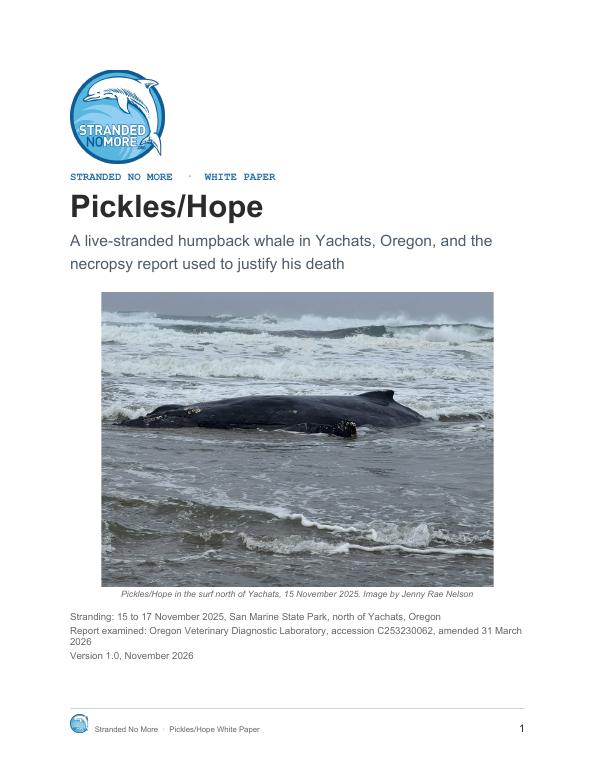
This is our description of the live stranding of a juvenile entangled humpback whale named Pickles/Hope. This young whale stranded in Yachats, Oregon, and was eventually killed by the officials who were supposed to help him. This account is based on eyewitness accounts, live coverage, official sources, numerous citizen reporters, and media reports and news articles.
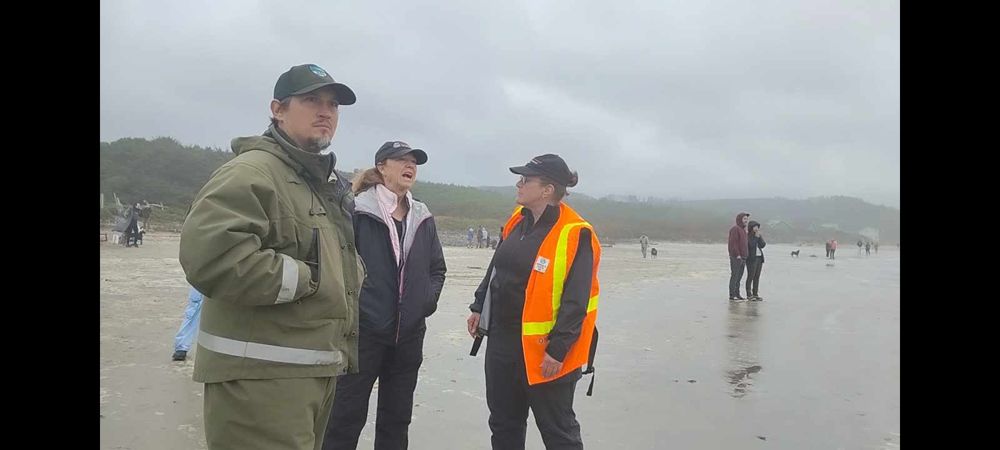
The official response to this live stranding was plagued by delays, poor organization, false communication, and patronizing, even hostile attitudes towards the public and the locals.
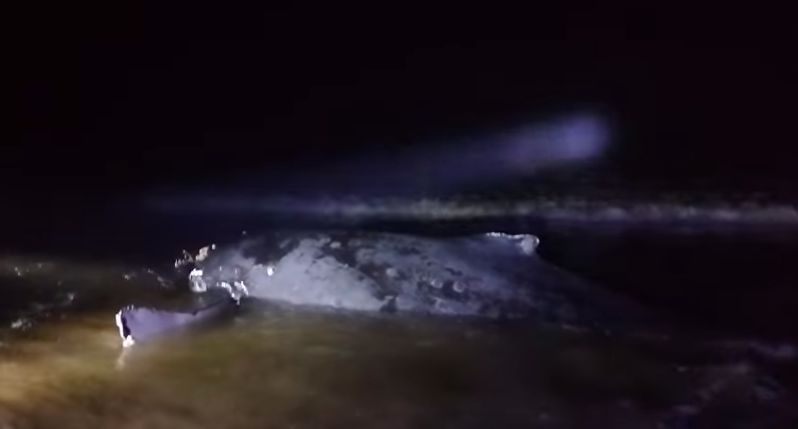
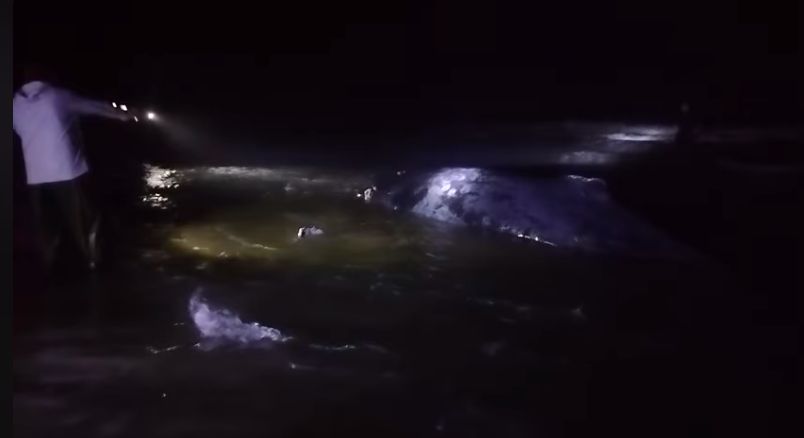
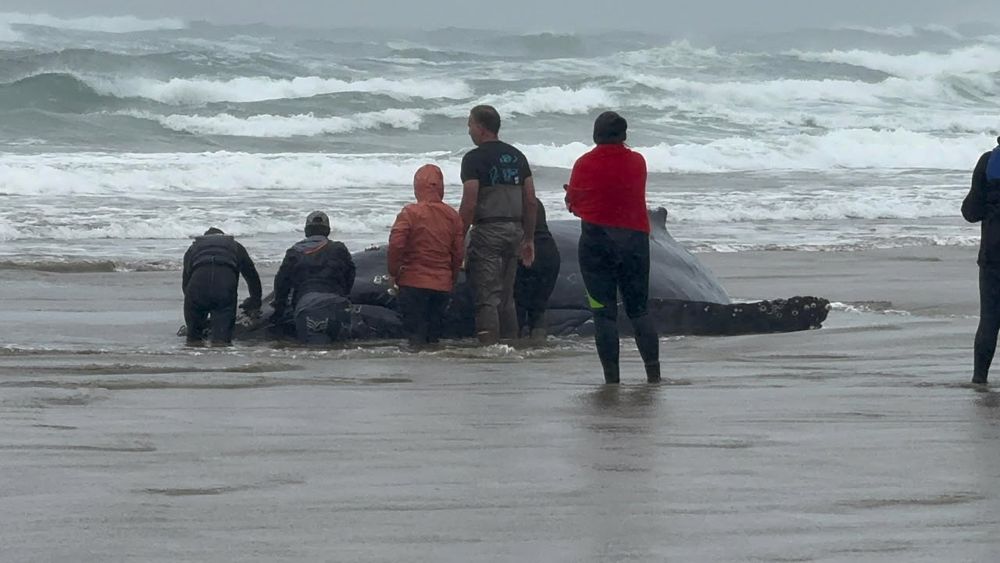
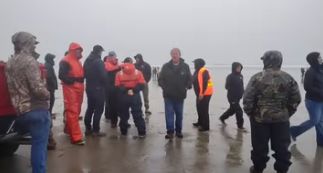
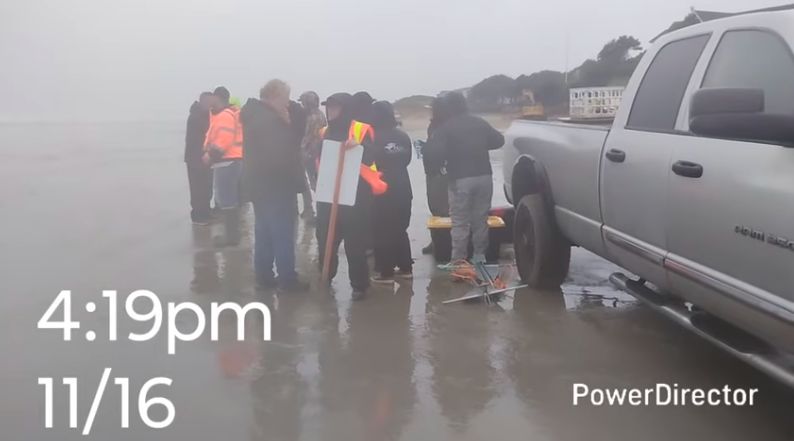
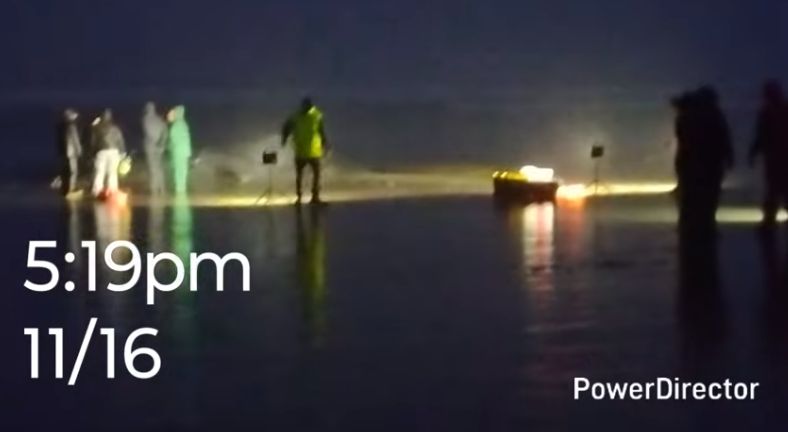
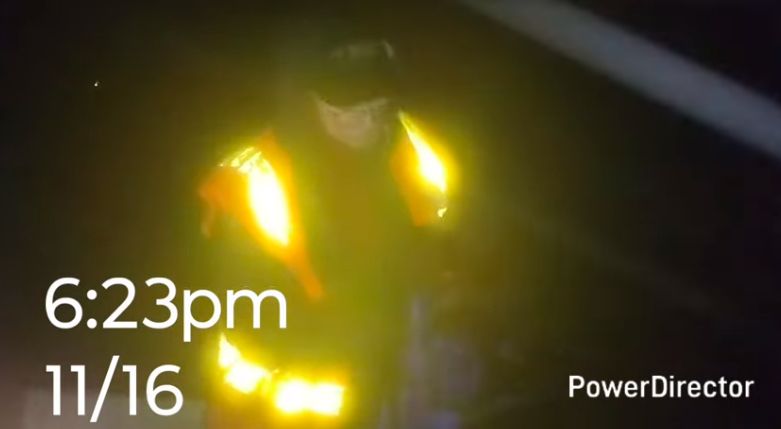
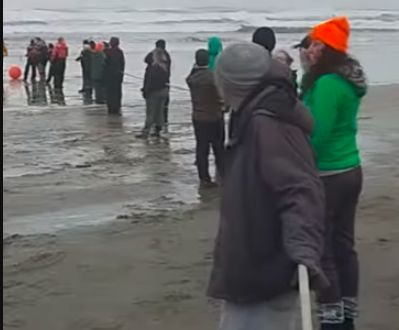
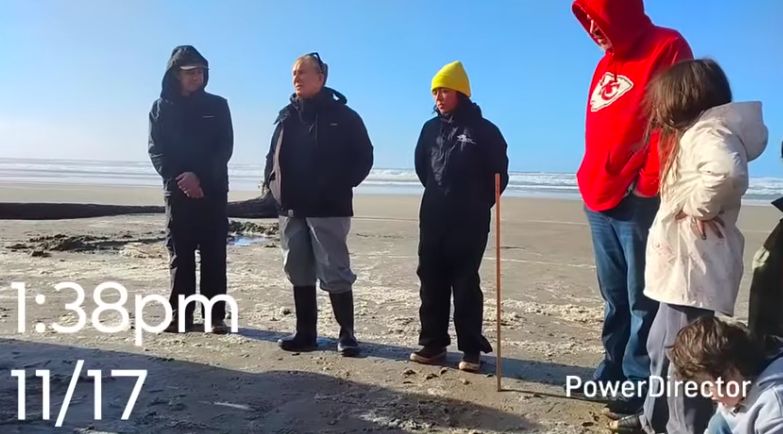
Yet it was the locals who emerged as the real heroes. They stayed with Pickles/Hope during the first night (15/16 November), cut the rope, poured water, and used towels to keep the whale wet. They made valiant efforts to refloat him twice, on Saturday evening and night and at Sunday morning’s high tide. The local community donated heavy equipment, time, fuel, and personnel, but they were taken for granted and barely acknowledged.
The official rescue was attempted early on Monday morning, around 41 hours after the whale was first reported. It was extremely brief, around 30 minutes in total, poorly organized, and without a backup plan. It was ended a full two hours before Monday’s high tide.
The blood test taken on Sunday afternoon was normal, after Pickles/Hope had been fully stranded for more than 24 hours. That calls into question the powerful official narrative that a stranded whale declines rapidly because its organs are crushed, the main reason given for not rescuing and for euthanizing.
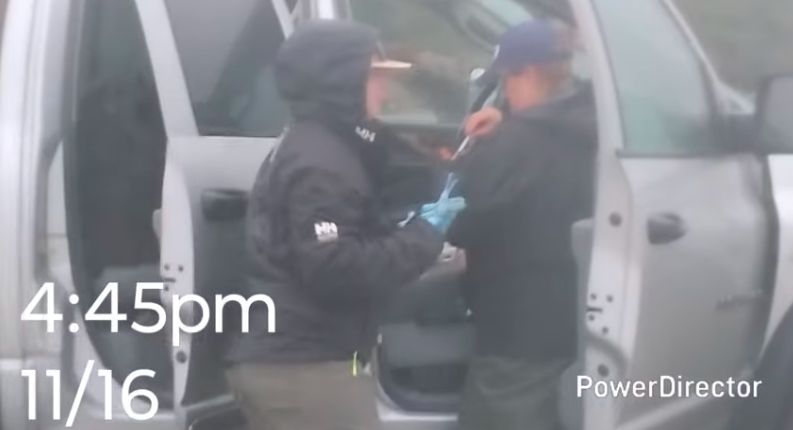
On top of it all, the whale was sedated at least twice, on Sunday and on Monday before the high tide. He was given a mix of drugs, including sedatives and anti-anxiety drugs. These had a strong potential to impair the whale and hasten the euthanasia decision, especially because the doses were based on an approximate weight. His true weight was never known; it was not measured at necropsy.
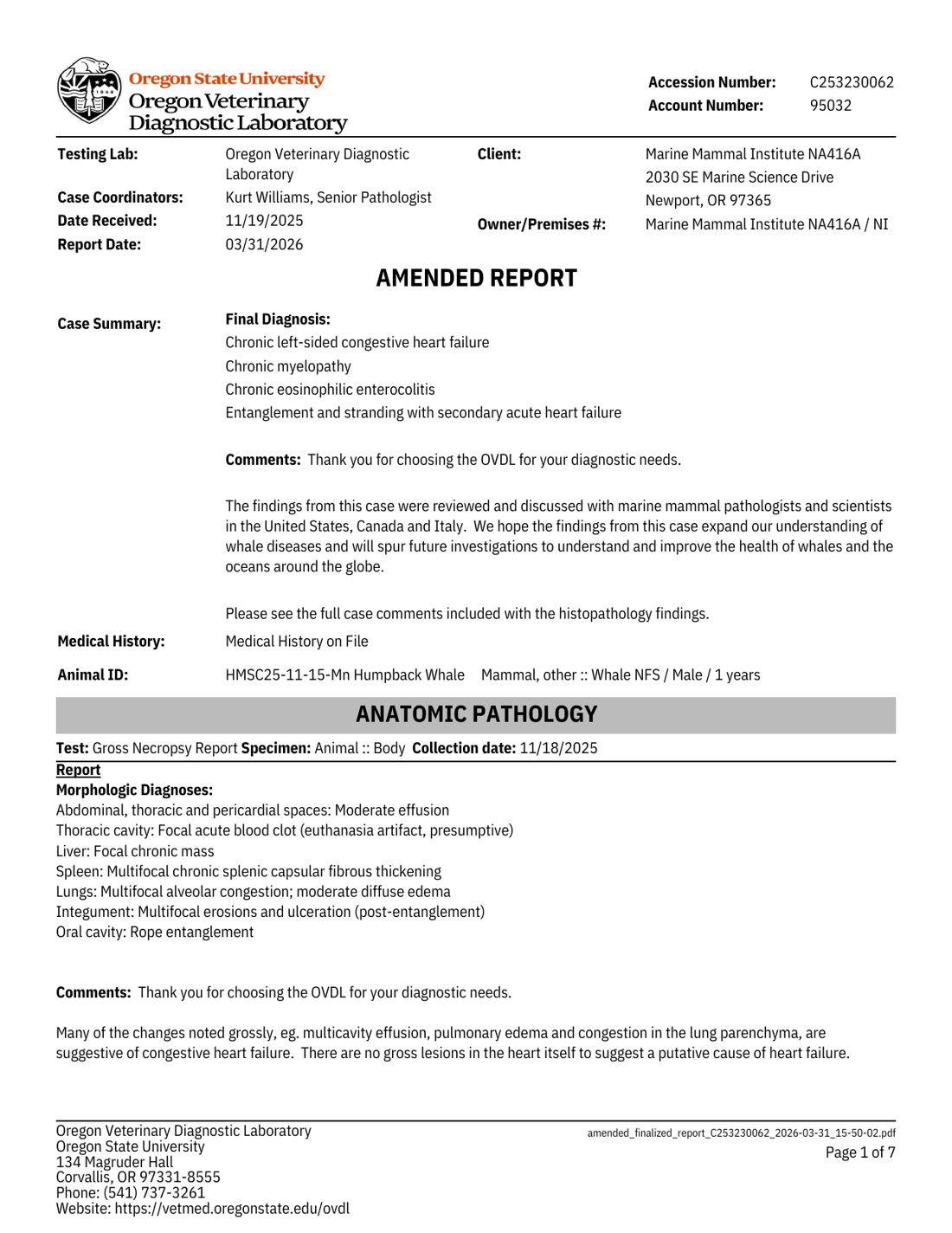
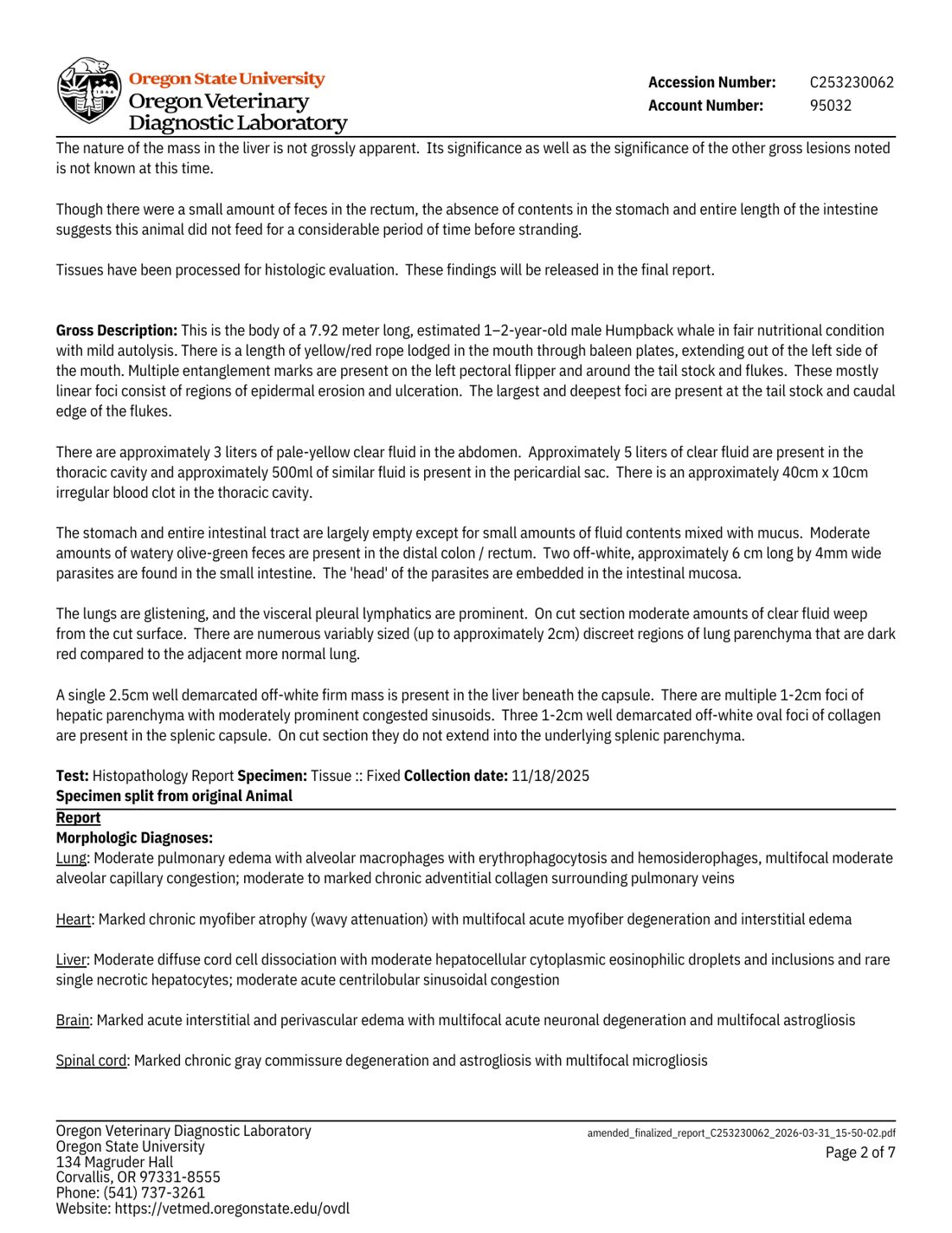
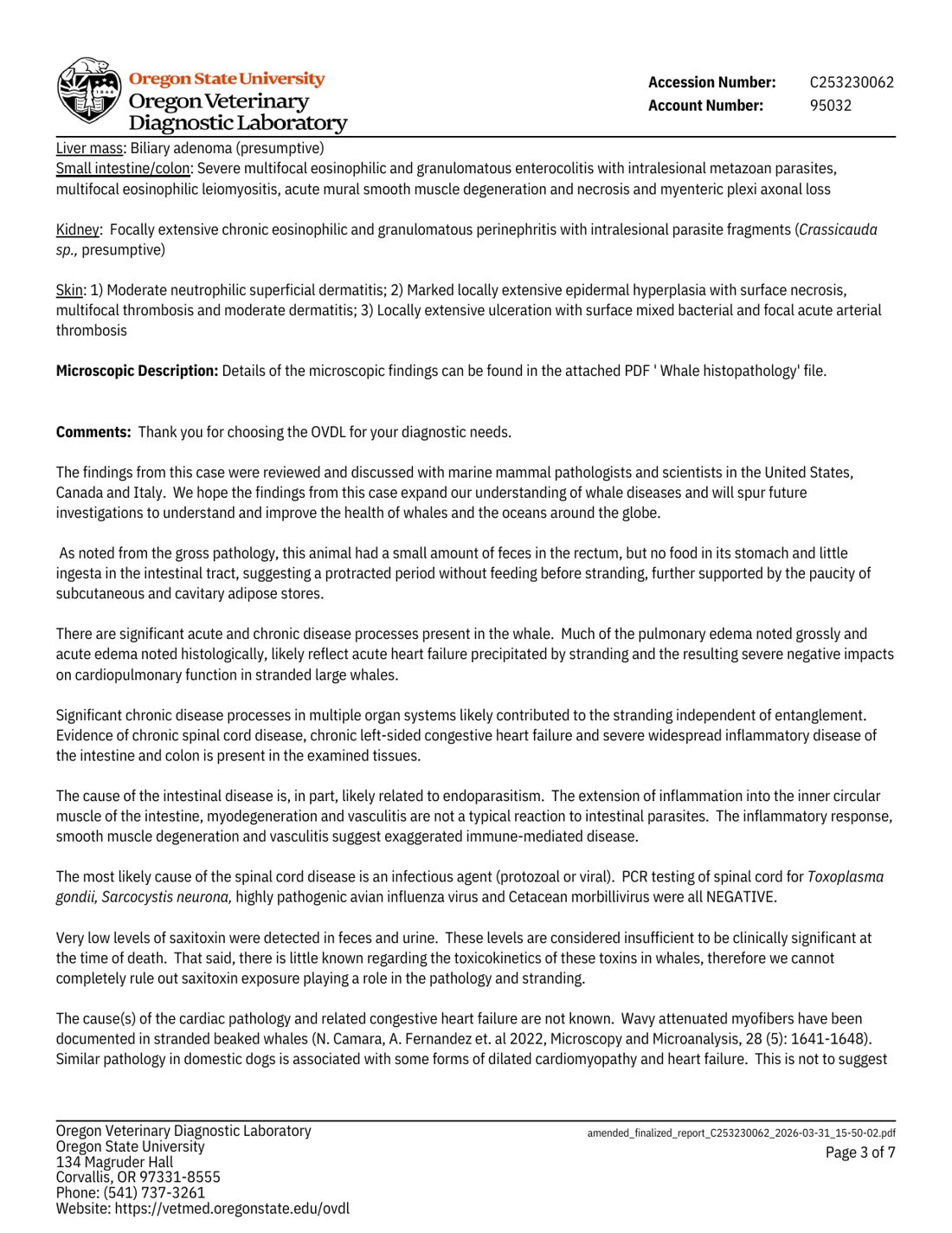
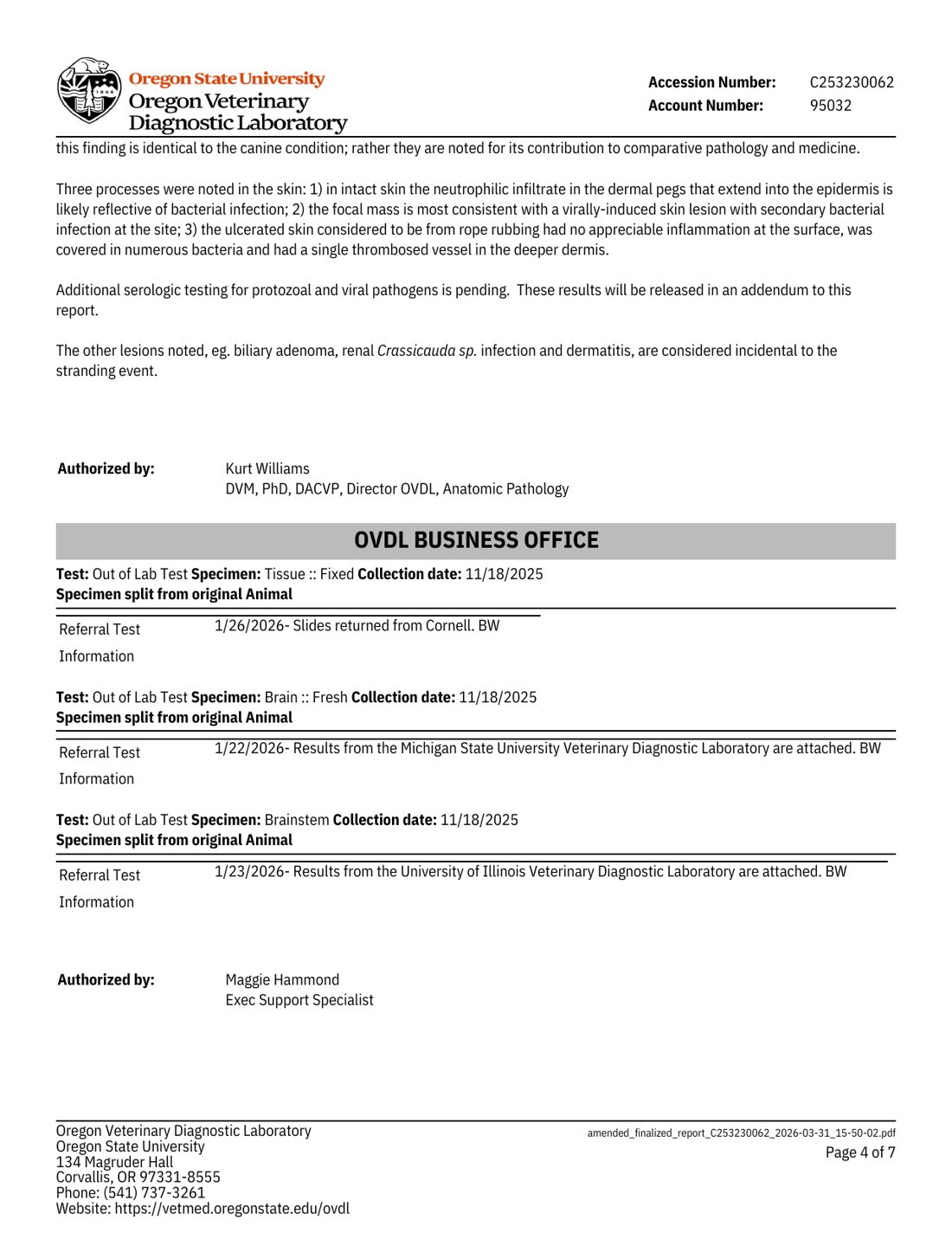
The final necropsy report, issued in March 2026, lists chronic heart, spinal cord and intestinal disease, and it was presented to the public as proof that he was doomed. As we show below, it is no such thing. It gives no prognosis, does not account for the sedation, and contradicts what the living whale was seen doing.
This stranding once again demonstrated the failure of the US stranding network in its response to live strandings. The time has come for significant change. We hope that the way Pickles/Hope was treated has opened the public’s eyes and will be the catalyst for that change.
Read the full white paper (PDF)
Organizations that responded to this case: West Coast Marine Mammal Stranding Network, Oregon State Parks, Oregon Marine Mammal Stranding Network, Marine Mammal Institute at Oregon State University, Pacific Marine Mammal Center, Cascadia Research Collective, SR3 – SeaLife Response, Rehabilitation, and Research.