The Story of "Pickles/Hope," a Stranded Humpback Whale
.
,
,
,
,
,
,
,
,
,
,
This is our description of the live stranding event involving a juvenile entangled and stranded whale, named Pickles/Hope. This young whale stranded in Yachats, Oregon, and was eventually killed by the officials who were supposed to help him. This account is based on eyewitness accounts, live coverage, official sources, numerous citizen reporters, and media reports and news articles.
The official response to this live stranding was plagued by delays, poor organization, false communication, and patronizing, even hostile attitudes towards the public and the locals.
Yet, during this event, it was the locals who emerged as real heroes. Not only did they stay with Pickles/Hope during the first night (November 15/16), cut the rope, poured water, and used towels to keep the whale wet, but they also made valiant efforts to refloat the whale twice, Saturday evening/night and Sunday morning at the high tide. The local community donated heavy equipment, time, fuel, and personnel, but they were taken for granted and were barely acknowledged.
The official rescue effort was actually attempted early Monday morning, around 41 hrs after the whale was first reported. Not only was it extremely brief (around 30 min in total), but it was poorly organized and lacked a backup plan. The efforts were terminated prematurely, a whole 2 hours before the high tide on Monday.
The blood test taken on Sunday afternoon was normal, and by then, Pickles/Hope had been fully stranded for over 24 hours. This really puts into question the powerful official narrative of how a stranded whale declines rapidly due to crushed organs from being stranded, and how it is the main reason not to rescue and to euthanize.
On top of it all, the whale was sedated at least twice, Sunday night and Monday, before the high tide. He was given a cocktail of medications, including sedatives, anti-anxiety drugs, and who knows what else. All these medications had a strong potential to significantly impair the whale and hasten the euthanasia decision, especially because the dosage was based on an approximated weight, as the whale’s true weight had been unknown and remains unknown (it was not measured during the necropsy).
The preliminary necropsy report failed to show any smoking gun or serious ailments incompatible with the whale’s survival.
All in all, this stranding event once again demonstrated the complete failure of the US stranding network in its response to live strandings. The time has come for significant change, and we hope that the despicable way in which Pickles/Hope was treated has opened the public’s eyes and will be the much-needed catalyst for this change.
List of Organizations that responded to this case: West Coast Marine Mammal Stranding Network, Oregon State Parks, Oregon Marine Mammal Stranding Network, Marine Mammal Institute at Oregon State, Pacific Marine Mammal Rescue Center, Cascadia Research Collective, SR3 – SeaLife Response, Rehabilitation, and Research.
The timeline below is tentative and subject to change as we get more information and official reports, including the full necropsy report. We want to thank Rebel With a Cause, Jenny Rae Nelson, and an anonymous contributor who provided the images for this timeline.
Timeline of the Live Stranding
November 15, after 2 pm
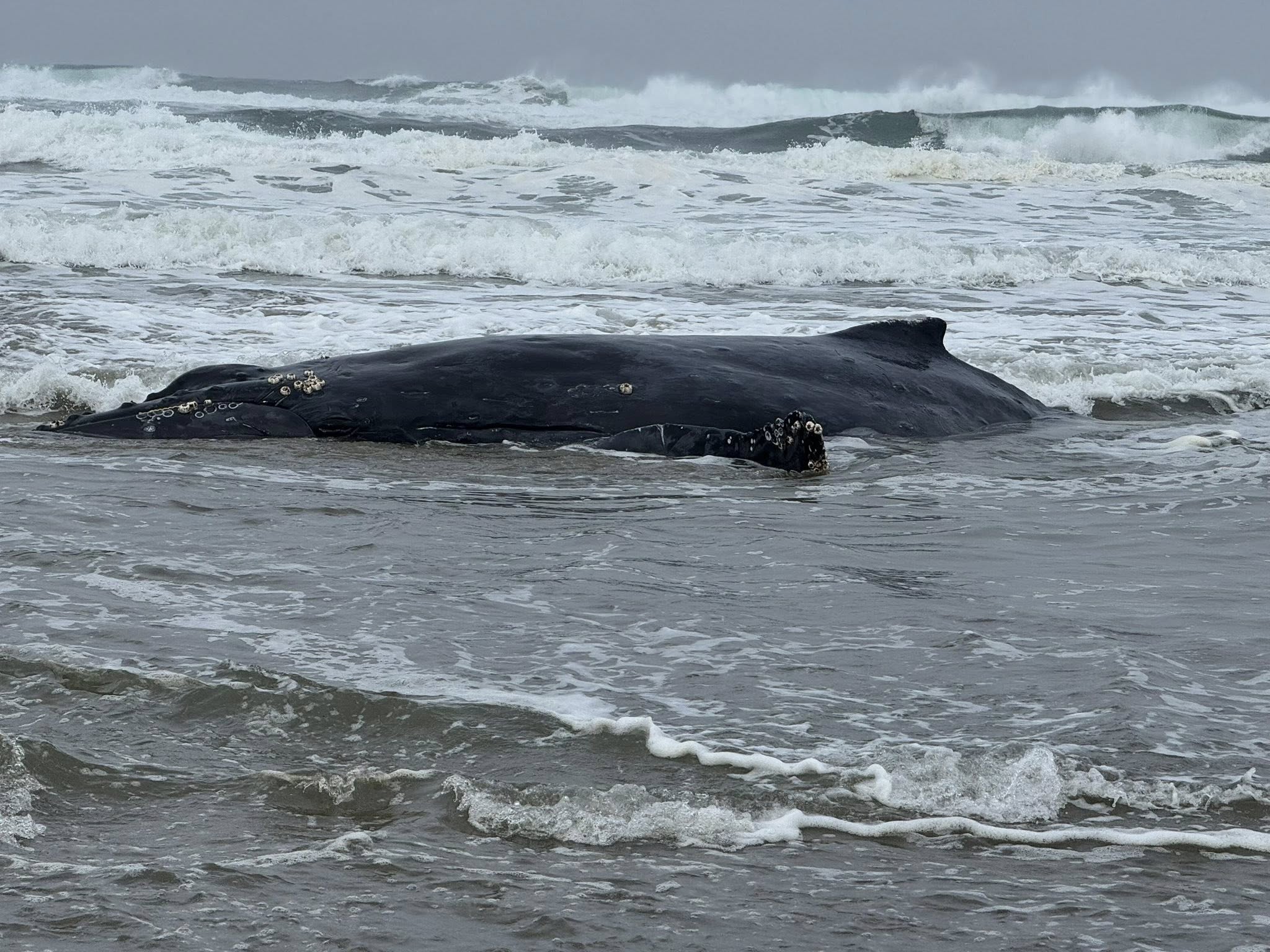 Image by Jenny Rae Nelson
A juvenile entangled humpback whale was reported.
November 15, 9:30 pm
The Oregon Marine Mammal Stranding Network receives a report about a stranded humpback whale and they already know about him. They said that they do not have resources to respond right now and that doing anything in the dark is dangerous.
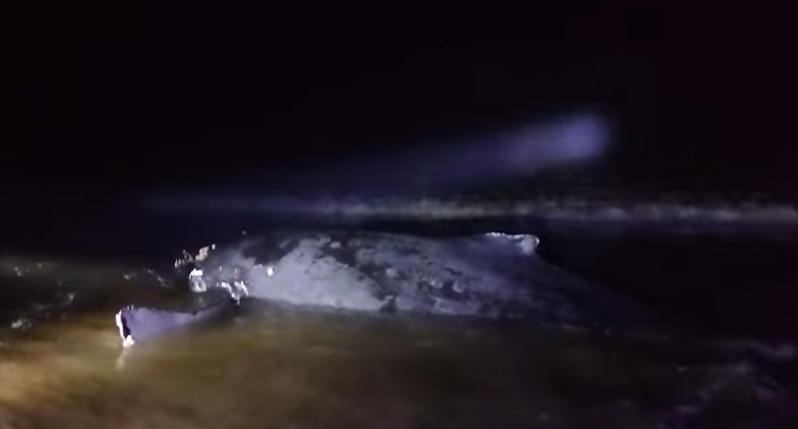 Image by Rebel With A Cause (@RebelW.A.C)
November 15, Evening/Overnight
Image by Rebel With A Cause (@RebelW.A.C)
November 15, Evening/Overnight
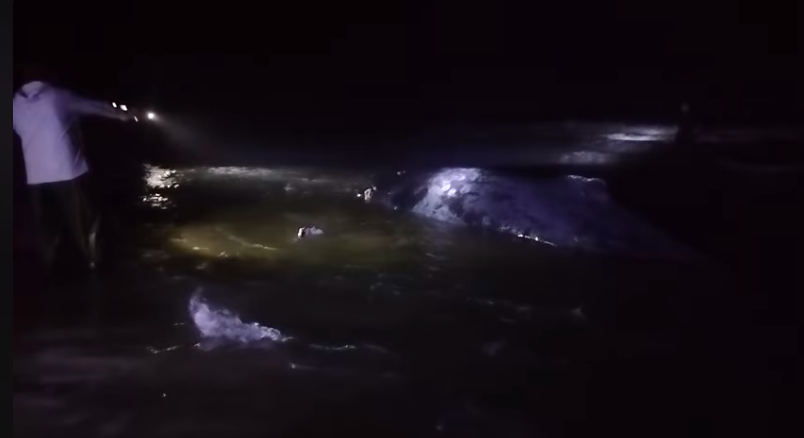 Image by Rebel With A Cause (@RebelW.A.C)
After local volunteers began to arrive, unidentified members of the stranding network and NOAA personnel visited the site in the evening but departed. The volunteers remained with the whale overnight, attempting to refloat it by pouring water on it and covering it with wet blankets. During the night, one volunteer even swam out to cut the entangling lines.
November 16, 9:00 am
The whale survived the night and is still alive.
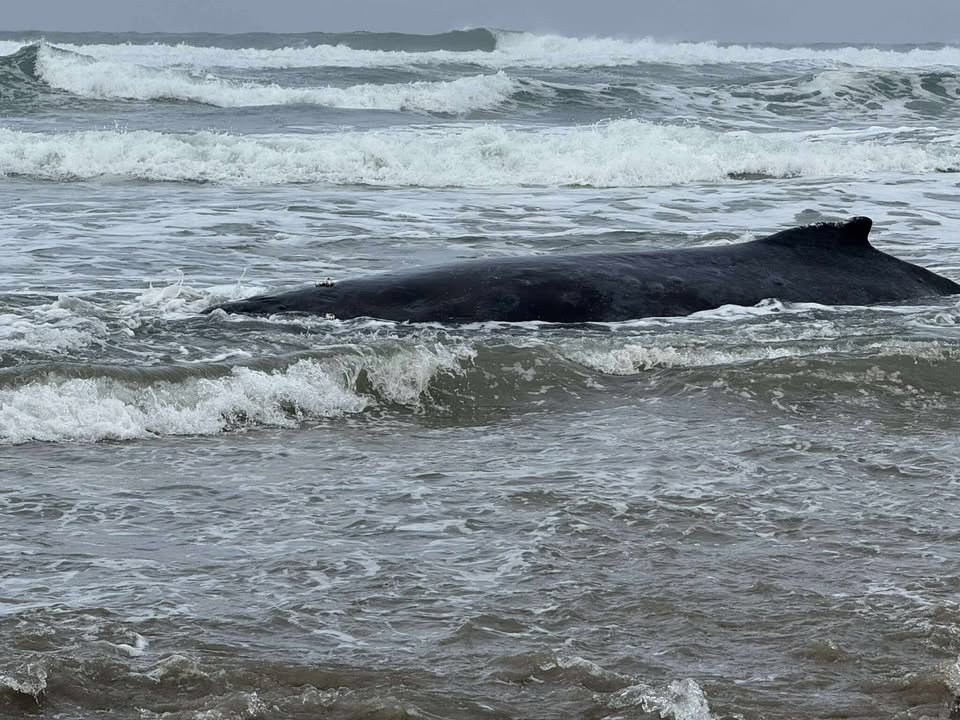 Image by Jenny Rae Nelson
November 17, 9:30-10:00 am
Image by Jenny Rae Nelson
November 17, 9:30-10:00 am
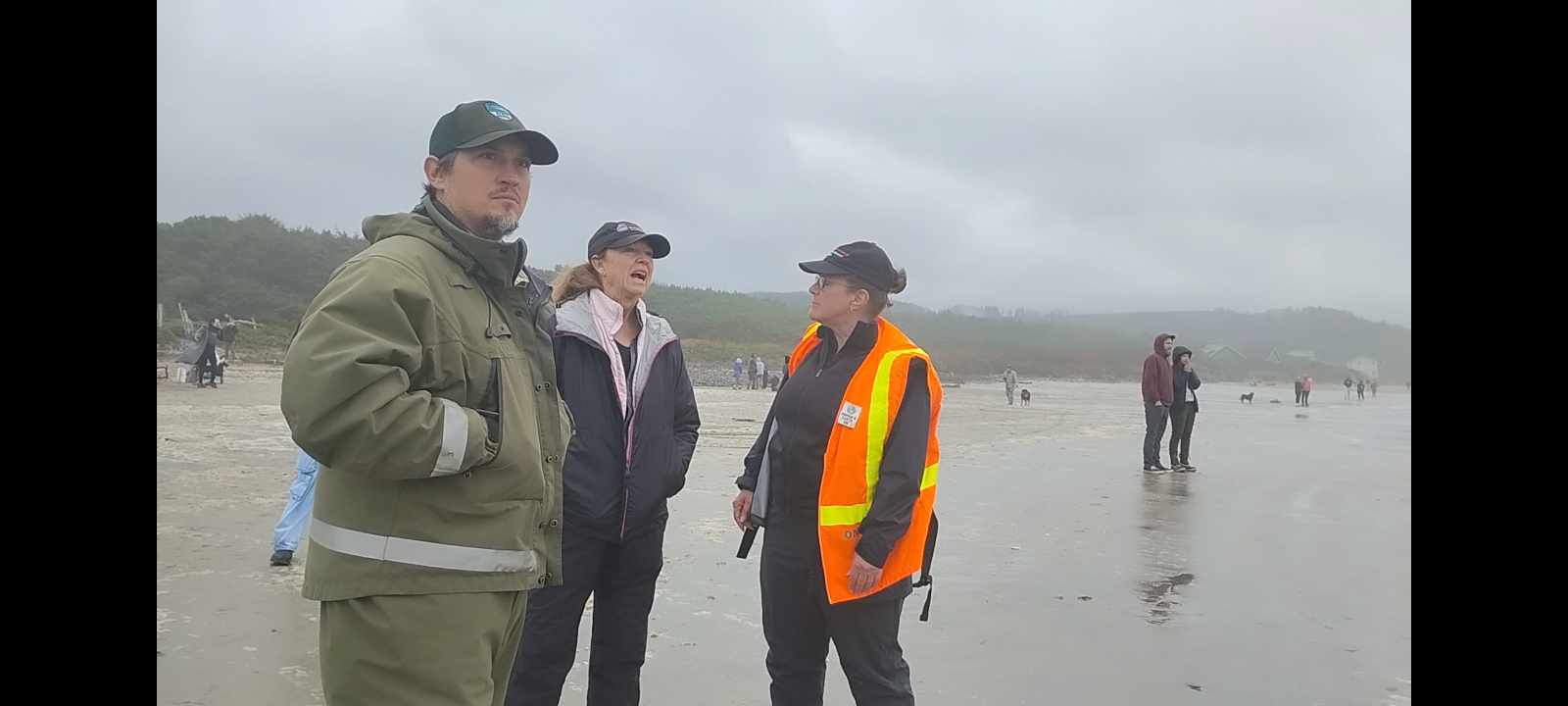 Image by Rebel With A Cause (@RebelW.A.C)
The first officials arrived that morning: Lisa Balance from the Marine Mammal Institute, a network member "Jane," and two state park employees. They immediately moved the public back 50 yards, warning that crossing the tape meant arrest. Lisa Balance told the crowd, “People want to help the whale, and the truth is there is nothing we can do for the whale. Best thing we can do is to stay away from it, to stay back.” Network member Carrie Newell arrived later.
November 16, 10:18 am
People started breaking the restricted perimeter and got in the water with the whale, trying to refloat him during the high tide.
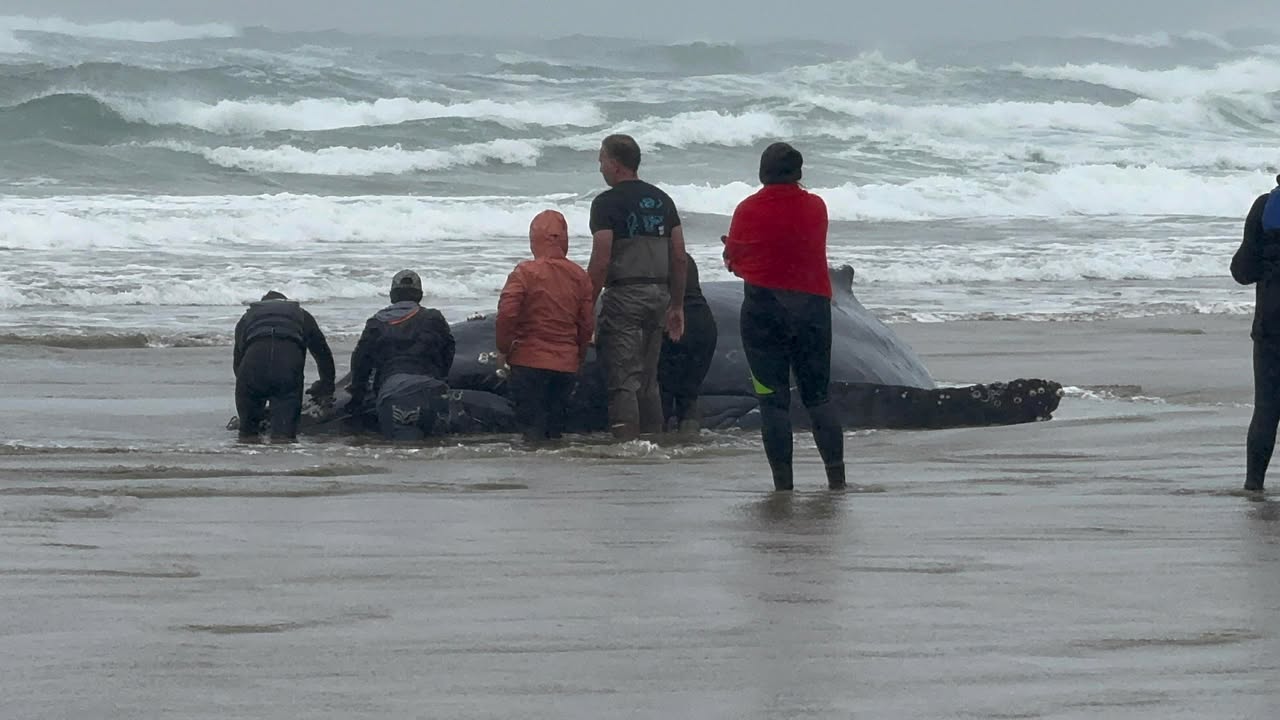 Image by Jenny Rae Nelson
November 16, 10:55 AM
Image by Jenny Rae Nelson
November 16, 10:55 AM
 Image by Rebel With A Cause (@RebelW.A.C)
Carrie Newell, a member of the Oregon Marine Mammal Stranding Network, tells the public, “They will probably have to euthanize it.”
November 16, 11:00 am
Efforts by locals to refloat the whale are completely stopped by the officials.
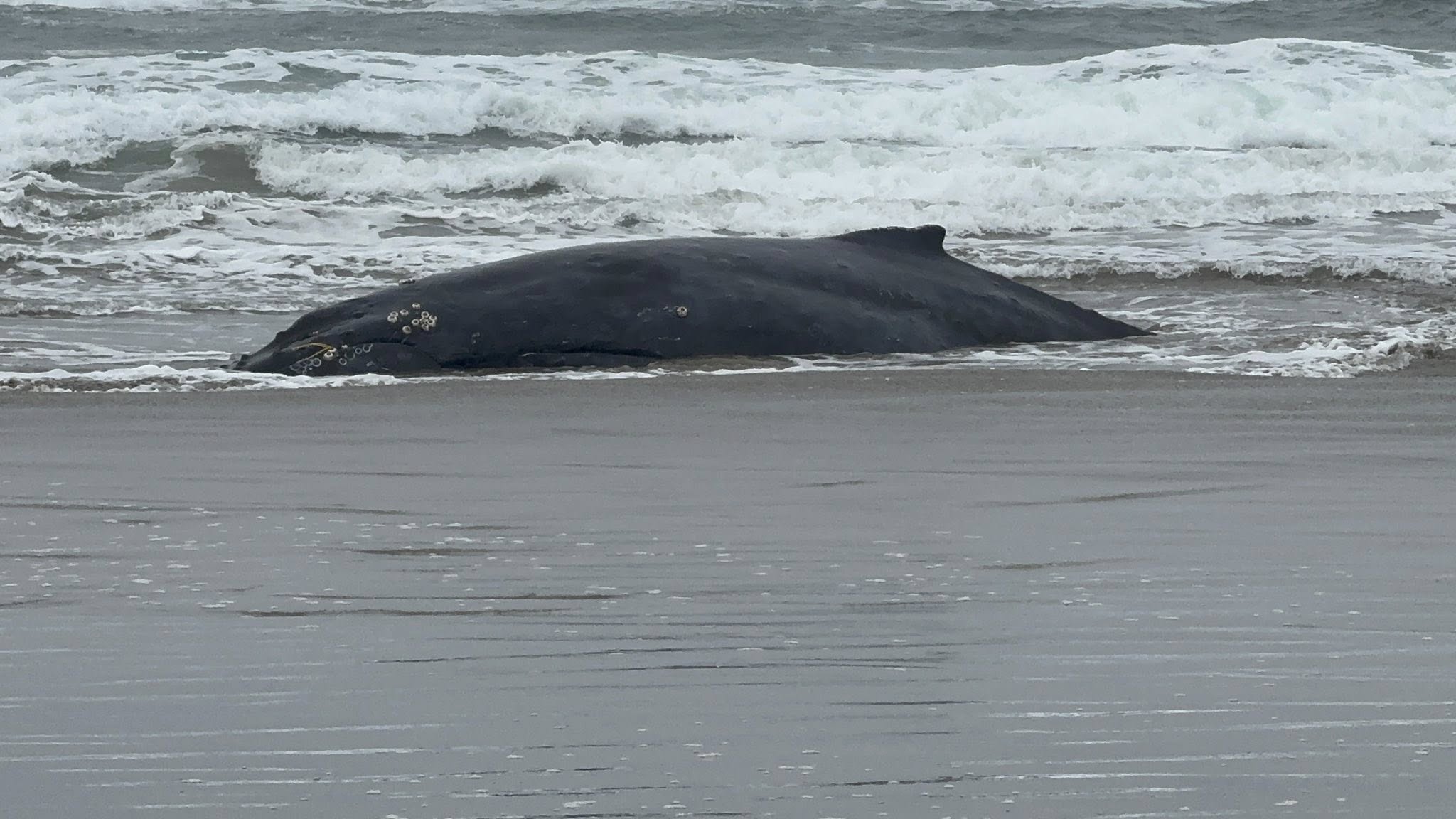 Image by Jenny Rae Nelson
November 16, 1:40 pm
Image by Jenny Rae Nelson
November 16, 1:40 pm
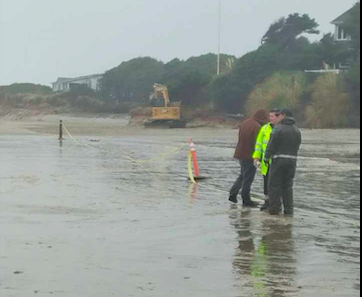 Image by Rebel With A Cause (@RebelW.A.C)
The excavator arrived. The company came in at its own expense, covered all the costs, and told its employees to volunteer. They waited for a few hours but were told their services would not be needed. They left sometime before 5 p.m.
November 16, Afternoon
Teams arrive, including the Cascadia Research Collective, SR3 — SeaLife Response, Rehabilitation, and Research.
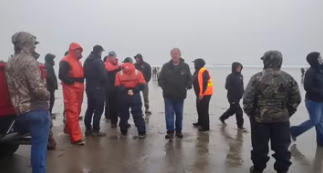 Image by Rebel With A Cause (@RebelW.A.C)
November 16, 4:19 pm
Image by Rebel With A Cause (@RebelW.A.C)
November 16, 4:19 pm
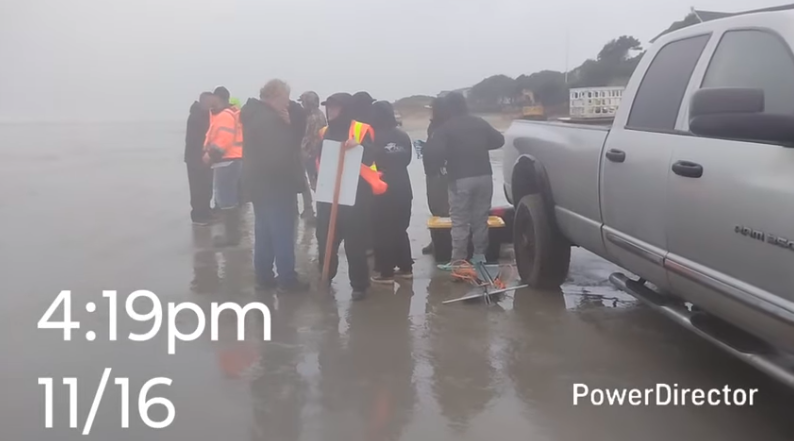 Image by Rebel With A Cause (@RebelW.A.C)
The public was told the team would be administering "supportive medical care." It was later learned that sedatives and possibly anti-anxiety medications were administered as well. The exact types and dosages of the medications, as well as the whale's weight calculations, are currently unknown.
November 16, 4:45 pm
The SR3 team prepared to draw blood and administer “supportive care.” After over 24 hours stranded, the whale’s blood results were surprisingly normal. SR³ veterinary technician Casey McLean said, “When we drew that first blood work Sunday, we were quite shocked honestly that it was as good as it was considering the animal had already been on the beach for over 24 hours. And the animal was still responsive. There was no involuntary movement that could indicate some neurologic issues going on.”
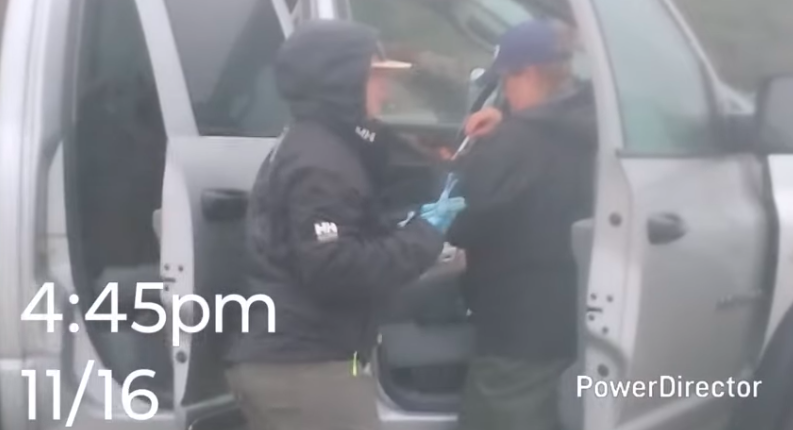 Image by Rebel With A Cause (@RebelW.A.C)
November 16, 5:19 pm
Image by Rebel With A Cause (@RebelW.A.C)
November 16, 5:19 pm
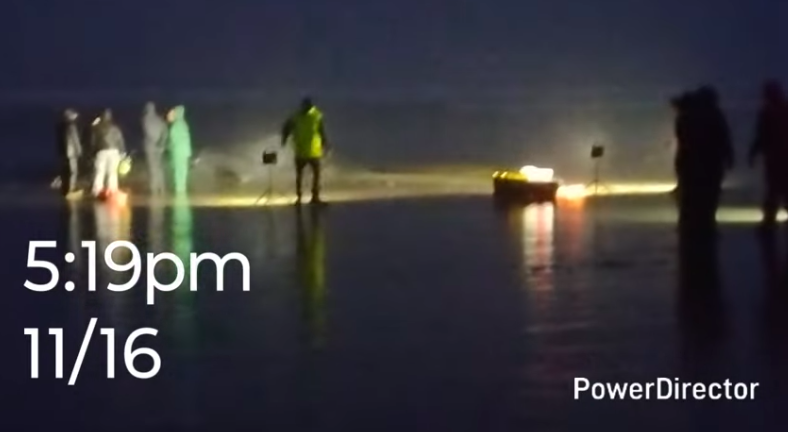 Image by Rebel With A Cause (@RebelW.A.C)
The Cascadia team with local community support and local business support starts setting up the ropes for the NEXT DAY RESCUE. There were no official rescue efforts on Sunday.
November 16, 6:23 pm
All teams leave. The whale is left alone.
 Image by Rebel With A Cause (@RebelW.A.C)
November 17, 6:30-8:00 am
Image by Rebel With A Cause (@RebelW.A.C)
November 17, 6:30-8:00 am
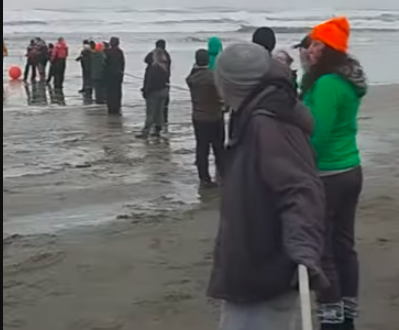 Image by Rebel With A Cause (@RebelW.A.C)
The whale survived another night, and the teams are back. The rescue efforts start; the teams work together with locals, trying to reposition the whale so he faces away from the shore for a better self-rescue position at the high tide in about three hours. The effort lasted 30 minutes before the rope snapped and the bridle slipped. Despite pleas from the locals, the team decided to abandon further rescue efforts, even though there were still two hours until the high tide.
November 17, before high tide
Veterinarians come in and administer the second sedative, along with who knows what else. This is the second sedative the whale received. All rescue efforts are abandoned, and the whale is left alone.
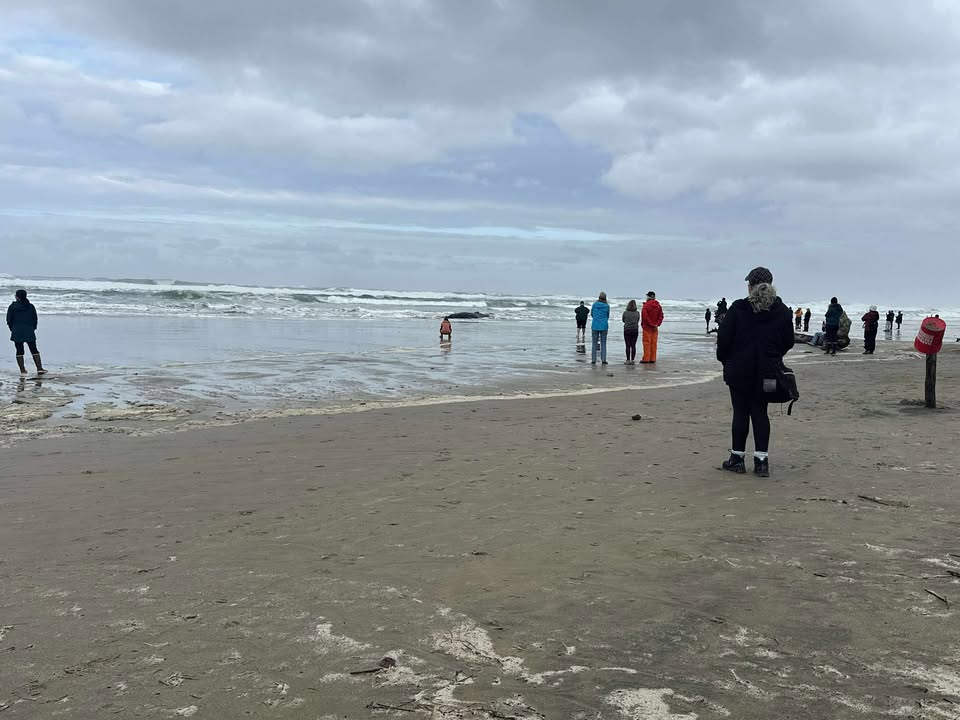 Image by Anonymous
November 17, 1:38 pm
Image by Anonymous
November 17, 1:38 pm
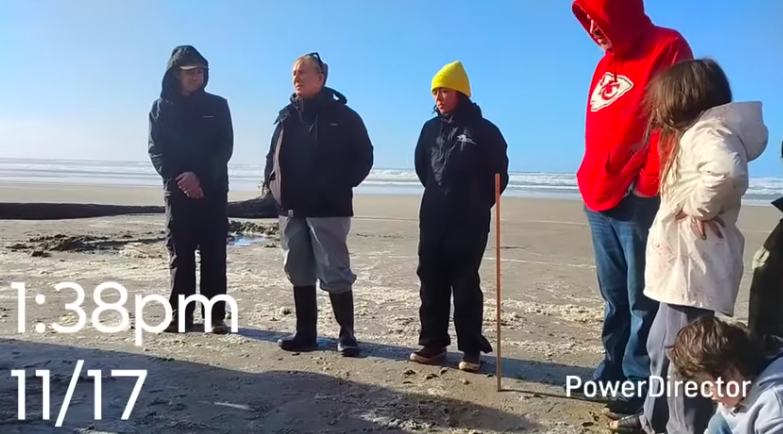 Image by Rebel With A Cause (@RebelW.A.C)
Veterinarian Dr. Alissa Deming from the Pacific Marine Mammal Center told the public the following: “…she has so drastically declined over the past 24 hours. She does not have the energy (even if we can get her past...inaudible...to make it past that next break). At this point, she is kind of doing something we call ‘agonal breathing.’ This often happens at the end stages of their lives, so we feel like it is in the best interest of the animal to ease its suffering at this point.”
November 17, Afternoon
Pickles/Hope was killed. The Oregon Marine Mammal Stranding Network was responsible for the necropsy. Preliminary results showed "some lesions." The whale had no stomach contents and was in fair body condition. "[It] had injuries from the fishing gear wrapped around it, but nothing major, and it was not emaciated."
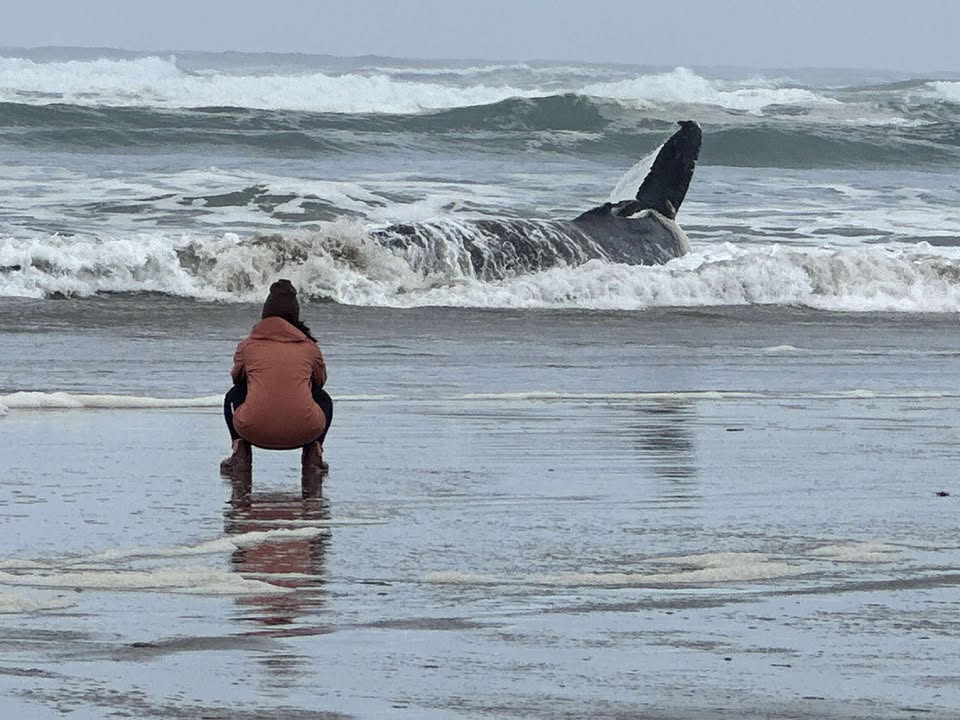 Image by Anonymous